
India is at a pivotal moment in its energy journey. With ambitious government targets to achieve net-zero carbon emissions by 2070 and a rapid shift towards renewable energy, industrial sectors are presented with unprecedented opportunities to modernize power solutions while promoting sustainability.
For industries and large-scale commercial operations, adopting renewable energy is not just environmentally responsible—it’s economically strategic.
1. India’s Renewable Energy Landscape
India has emerged as a global leader in renewable energy expansion, particularly in solar, wind, and hybrid energy projects. With over 175 GW of installed renewable capacity and aggressive government incentives, industries can leverage affordable and clean energy alternatives for reliable operations.
2. Industrial Demand for Sustainable Power
Industrial facilities consume a significant portion of India’s electricity. High energy costs, frequent power interruptions, and sustainability regulations drive the need for efficient and eco-friendly power solutions. Renewable energy integration—through rooftop solar, captive power plants, or hybrid systems—offers a cost-effective and uninterrupted supply.
3. Opportunities in Solar and Wind Integration
- Rooftop Solar Systems: Industries can install solar panels on rooftops or vacant land, reducing grid dependence and earning government subsidies.
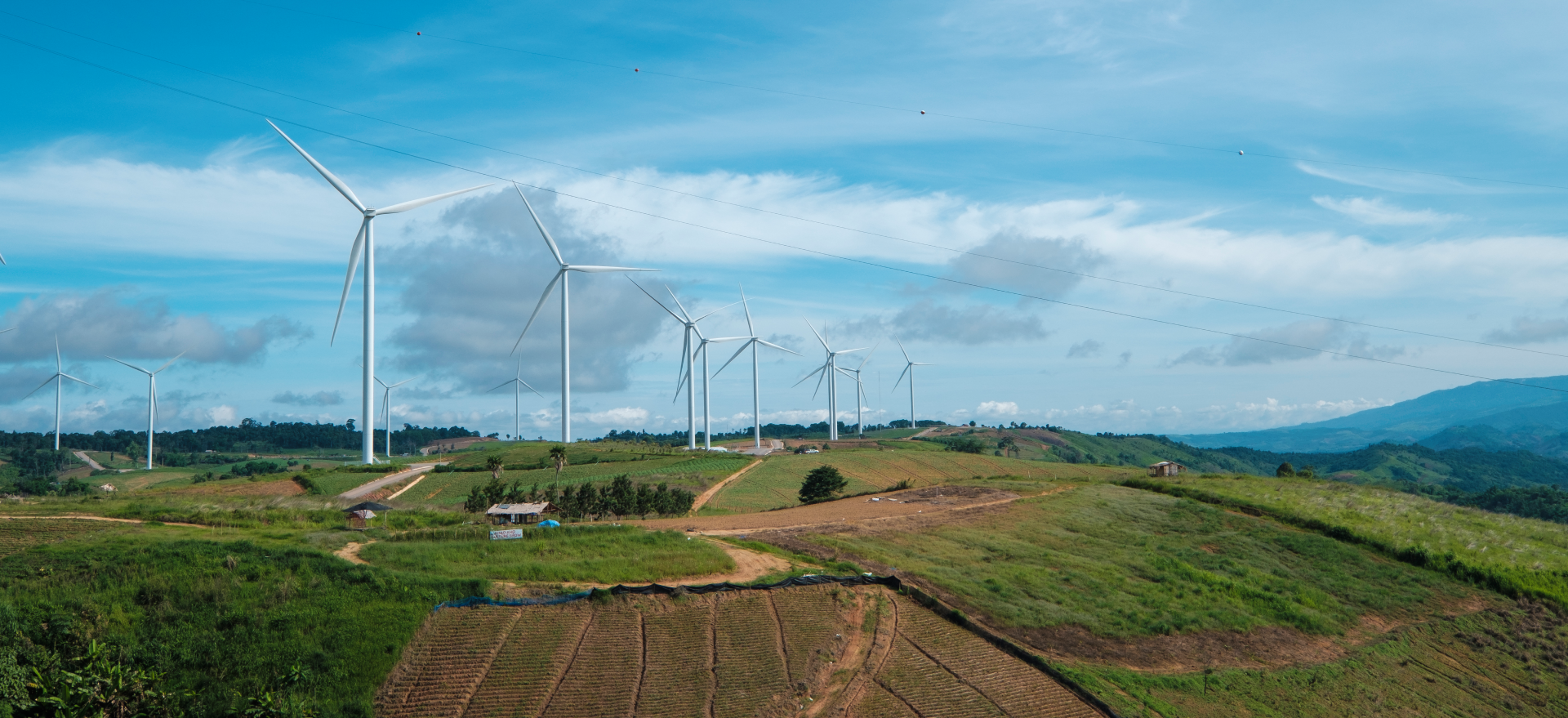
- Wind Energy: For factories in high-wind regions, captive wind power can supplement energy requirements and reduce carbon footprints.
- Hybrid Systems: Combining solar, wind, and battery storage ensures reliable 24/7 operations, critical for industries with high energy demands.
4. Energy Storage and Smart Grid Solutions
Industrial power solutions now incorporate advanced battery storage and smart grid technology. These innovations allow facilities to store excess renewable energy and manage peak demand efficiently, improving reliability and reducing electricity costs.
5. Financial and Regulatory Incentives
The Indian government offers a range of incentives for industries adopting renewable energy, including capital subsidies, tax benefits, and preferential tariffs. These incentives make renewable projects more financially viable and accelerate return on investment.
6. Long-Term Benefits for Industrial Players
- Cost Savings: Reduced electricity bills and improved energy efficiency.
- Sustainability Leadership: Aligning with ESG (Environmental, Social, and Governance) standards enhances corporate reputation.
- Regulatory Compliance: Meeting national and international emission standards.
- Operational Reliability: Continuous power supply through renewable integration and storage solutions.
Conclusion
The future of renewable energy in India presents immense opportunities for industries seeking efficient, cost-effective, and sustainable power solutions. By investing in solar, wind, and hybrid energy systems, industrial facilities can reduce operational costs, enhance reliability, and contribute to India’s clean energy goals.
At G.V. Electricals, we specialize in designing, installing, and maintaining advanced industrial power solutions that integrate renewable energy, smart controls, and energy-efficient systems. Our approach ensures that industries not only meet their energy needs but also achieve sustainability and cost optimization.